5 Signs Your Heater Needs Repair Before Winter
When temperatures start to drop in Texas, the last thing you want is a heater that isn't working properly. While winters in New Braunfels and San Antonio may be milder than in other parts of the country, cold fronts can arrive quickly, making a reliable heating system essential for keeping your home comfortable.
Unfortunately, many homeowners don't realize their heater needs attention until it stops working altogether. The good news? Most heating systems show warning signs before a complete breakdown occurs. Recognizing these early symptoms can help you avoid unexpected repairs, improve your system's efficiency, and prepare your home for colder weather.


5 Signs Your Heater Needs Repair
1. Your Heater Is Blowing Cold or Lukewarm Air
One of the most noticeable signs that your heater needs repair is when it's running but your home never quite warms up. If your thermostat is set to heat but the air coming from your vents feels cool or lukewarm, certain rooms stay colder than others, or your system runs continuously without reaching the desired temperature, there may be an underlying issue affecting your heating system's performance.
What it can mean:
A clogged air filter restricting airflow
A failing blower motor or a worn component inside the heater
Leaking or damaged ductwork losing heated air before it reaches your rooms
A heat pump struggling to keep up
What to do: Start by checking and replacing your air filter. If the weak heat continues, it's time for professional heater repair to find the real cause. If you suspect leaky ducts, our duct repair services can help seal them up.
2. Your Heating System Makes Strange or Unusual Noises
Every heating system makes some noise while operating, but loud, sudden, or unfamiliar sounds shouldn't be ignored. If your heater starts banging, rattling, squealing, or grinding, it could be a sign that something inside your system isn't functioning properly.
Common heater noises to listen for include:
Banging or popping may be caused by expanding ductwork or delayed ignition in a gas furnace.
Squealing or screeching is often associated with a worn belt, blower motor issue, or failing bearings.
Rattling could indicate loose panels, screws, or components vibrating inside the unit.
Grinding may signal worn or damaged motor bearings or other mechanical components requiring attention.
What to do: Don't keep running a heater that is grinding or banging loudly. Turn it off and schedule heater service so a technician can inspect it before a small problem becomes a major repair.
3. Your Heater Keeps Turning On and Off
Does your heater turn on, run for a few minutes, shut off, and then start again shortly afterward? This is known as “short cycling”, a common heating system problem that can affect your home's comfort, energy efficiency, and overall system performance.
Short cycling occurs when your heater repeatedly starts and stops without completing a normal heating cycle. Not only can this make it difficult to maintain a consistent indoor temperature, but it can also place unnecessary wear on system components and potentially shorten your heater's lifespan.
What it can mean:
Overheating components that trigger the system's safety shutoff.
Dirty air filters or blocked vents that restrict proper airflow.
Thermostat issues that cause inaccurate temperature readings or frequent cycling.
What to do: Replace your filter, make sure vents are open and unblocked, and check your thermostat batteries. If the cycling continues, a technician can pinpoint the cause.
4. Rising Energy Bills With No Change in Habits
If your heating bills are creeping up while your thermostat settings and daily routine stay the same, your heater is likely working harder than it should. As parts wear down or components get dirty, the system needs more energy to produce the same amount of heat.
What it can mean:
Declining efficiency from an aging system
A dirty burner, coil, or blower making the system work overtime
Airflow problems forcing longer run times
What to do: A tune-up and inspection can often restore lost efficiency. If your system is older, it's also worth asking your technician about the repair-or-replace question. The same logic we covered in our repair vs. replace guide for air conditioners applies to heaters, too.
5. Unusual Smells or Safety Warning Signs
A faint dusty or burning smell for a short time the first time you turn your heater on each season is normal, since dust that settled on the components is burning off. A smell that lingers, or any of the signs below, is not normal.
Warning signs to take seriously:
A persistent burning, electrical, or musty smell
A yellow or orange flame instead of a steady blue one (on gas furnaces)
Soot or scorch marks around the unit
A carbon monoxide detector alarm
What to do: If your carbon monoxide alarm sounds, or you smell gas, leave your home right away and call 911 or your gas utility from outside. For any other lingering smell or odd flame color, shut the system off and call a professional for heater repair before running it again.

How Old Is Your Heater?
Your heating system's age plays an important role in deciding whether to schedule a repair or consider a replacement. Many heating systems last around 10 to 15 years, although their lifespan depends on the equipment type, maintenance history, and overall condition.
If your heater is approaching this age range and showing several of the warning signs mentioned above, frequent repairs may become less cost-effective over time.
A professional HVAC technician can evaluate your system, identify potential problems, and help you compare heater repair vs. replacement options based on your home's heating needs and budget.
Why Should You Schedule Heater Repair Before Winter?
Waiting until your heater completely stops working can leave you without reliable heat when the next Texas cold front arrives. Scheduling heating repair before winter gives you the opportunity to address potential problems while your system is still operating.
Early repairs can offer several benefits, including improved indoor comfort, more consistent heating performance, reduced strain on system components, and a lower risk of unexpected breakdowns. It also gives you time to identify whether your heater needs a simple adjustment, a replacement component, or more extensive service.
For homeowners in New Braunfels, San Antonio, and surrounding communities, preparing your heating system ahead of colder weather is an important part of maintaining year-round home comfort.
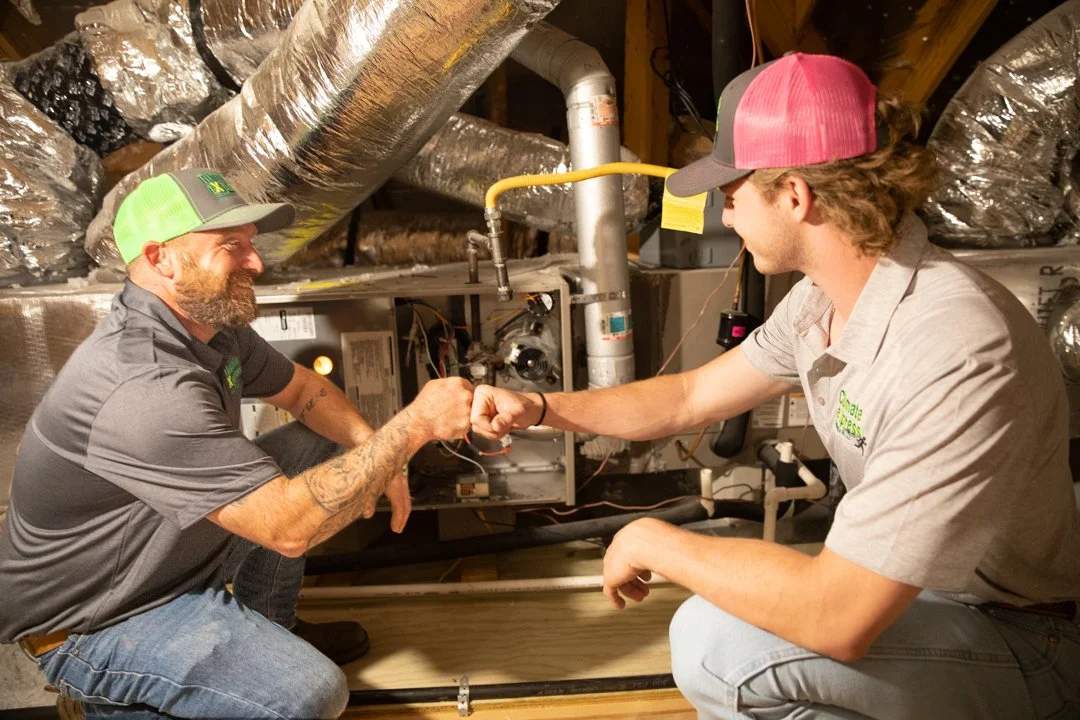
Need Heater Repair in New Braunfels? Climate Express Is Here to Help.
Don't wait until the next cold front to find out your heater isn't working properly. At Climate Express Heating & Air, we bring over 20 years of heating and cooling experience to homeowners throughout New Braunfels and surrounding communities.
As a family-owned HVAC company, we're committed to providing dependable service, accurate diagnostics, and practical solutions to help keep your home comfortable. Whether you need heater repair, routine heating maintenance, or help diagnosing an unexpected HVAC problem, our team is ready to help.