Can An Air Purifier Help with Allergies in Your Home?
If you constantly deal with sneezing, congestion, itchy eyes, sinus pressure, or even headaches inside your home, you are not alone. Many homeowners assume allergies are only triggered outdoors, but symptoms often feel worse once you step inside. That is because indoor air can trap and circulate allergens for hours or even days.
While we expect pollen to be outside, the truth is that many allergy triggers live inside your home year-round. Dust builds up in carpets and furniture. Pet dander settles into upholstery. Mold can grow in damp areas without being immediately visible. When your HVAC system runs, these particles move through your air repeatedly.

What Causes Allergies Inside Your Home?
Indoor allergies are typically triggered by microscopic particles floating in your air. These irritants are small enough to inhale, which is why they can quickly lead to allergy symptoms.
Common Indoor Allergens
Dust Mites: Tiny organisms that thrive in bedding, carpets, and upholstered furniture. Their waste particles are a major allergy trigger.
Pet Dander: Even if you clean regularly, microscopic skin flakes from cats and dogs can remain airborne and settle throughout your home.
Mold Spores: Moisture in bathrooms, kitchens, attics, or around HVAC systems can allow mold to grow and release spores into the air.
Pollen Tracked Indoors: Pollen enters your home through open doors, windows, clothing, and pets, where it can linger long after allergy season.
Smoke and Airborne Particles: Cooking smoke, candles, fireplaces, and outdoor pollution can all contribute to poor indoor air quality.
If you are concerned about allergens circulating through your home, exploring professional Indoor Air Quality services can help identify the source and recommend the right solution for cleaner, healthier air.
How Does an Air Purifier Work?
An air purifier works by pulling air in, trapping harmful particles, and circulating cleaner air back into your home. Both portable air purifiers and whole home air purifiers follow this same basic process, but they differ in how much space they treat. Portable units clean the air in a single room, while whole home systems are integrated into your HVAC system to filter air throughout the entire house.
Portable Air Purifiers vs. Whole Home Systems
Not all air purifiers are the same. Some are small, portable units designed for single rooms, while others are installed directly into your HVAC system.
Portable Air Purifiers
Designed to clean the air in one room
Plug into a wall outlet
Often used in bedrooms or home offices
Whole Home Systems
Installed within your ductwork
Clean air as it circulates through your entire home
Provide more consistent filtration
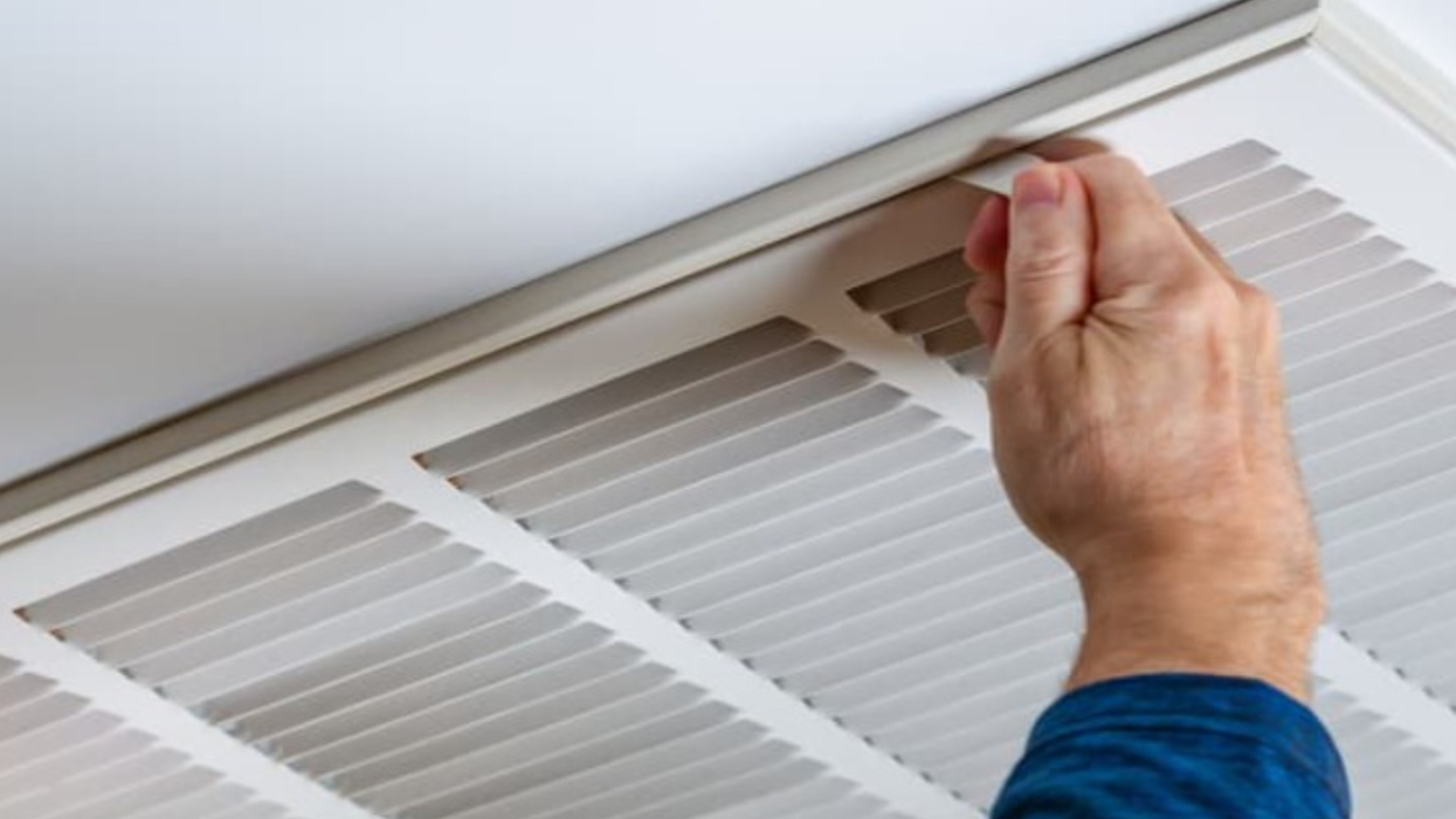
An HVAC air purification system works alongside your heating and cooling equipment. As air moves through your system, it passes through advanced filtration before being redistributed throughout your home.
It is important to understand that not all air filters provide the same level of protection. Standard HVAC filters are designed primarily to protect your equipment, while high-efficiency systems are built to protect your indoor air quality.
Can an Air Purifier Help with Allergies?
Yes, an air purifier can help with allergies, especially if it uses true HEPA filtration. By capturing airborne allergens before they are recirculated, it reduces the overall number of irritants in your home.
However, it is important to have realistic expectations. An air purifier reduces airborne allergens, but it does not eliminate all allergy triggers. Dust that has already settled on surfaces and moisture issues that cause mold must also be addressed. For best results, air purification should be combined with regular HVAC maintenance and proper humidity control.
Benefits of Using an Air Purifier for Allergies
Reduces dust and pet dander in the air
Improves indoor air quality throughout your home
Helps allergy sufferers sleep more comfortably
Supports asthma management by lowering airborne irritants
When properly installed and maintained, air purification can play a major role in creating a healthier indoor environment.
Is an Air Purifier Worth It for Your Home?
For many homeowners, the answer is yes. An air purifier makes the most sense if someone in your home struggles with allergies, asthma, frequent sinus infections, or ongoing respiratory irritation. It can also be a smart investment if you have pets, live in a high pollen area, or notice excessive dust buildup around vents and furniture.
Long term, improving your indoor air quality also supports your HVAC system. Proper filtration can reduce dust buildup inside ductwork and equipment, helping your system run more efficiently. When paired with routine maintenance and filter changes, air purification becomes part of a long term strategy for a healthier home.
If you are unsure which solution is right for you, a professional evaluation can help you make an informed decision based on your home’s size, layout, and air quality concerns.

Why Choose Climate Express for Indoor Air Quality Solutions?
When it comes to improving the air inside your home, proper installation and system selection matter. The team at Climate Express brings experience, training, and a strong understanding of HVAC systems to every indoor air quality recommendation.
Our technicians understand how air moves through your home and how filtration systems interact with your heating and cooling equipment. That means we recommend solutions that truly improve performance, not just add equipment.
If you are ready to breathe cleaner, healthier air, schedule an indoor air quality assessment today and let Climate Express help you find the right solution for your home.